
Can Uncontrolled Diabetes Damage Your Heart, Kidneys & Eyes? Insights from Experts
Healthcity vistaar | 15 June 2026
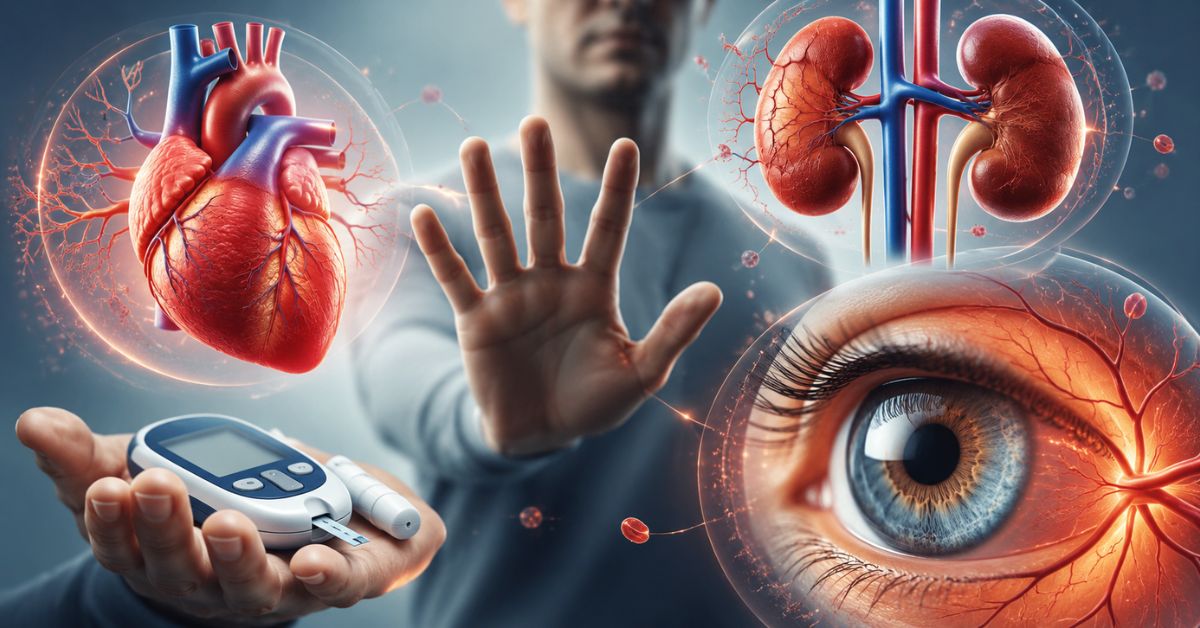
Diabetes is more than fluctuating blood sugar levels — it’s a long‑term health condition that, if not properly managed, quietly affects vital organs. Many people living with diabetes focus on daily glucose numbers, but there’s an even bigger picture: the hidden damage that persistent high blood sugar can inflict on your heart, kidneys, eyes, and more. In this article, we break down the key risks of unmanaged diabetes and what you can do to protect yourself.
The Hidden Threat of Uncontrolled Blood Sugar
When blood sugar remains high consistently, it doesn’t stay harmlessly in the bloodstream. Over time, elevated glucose begins to damage blood vessels throughout the body — especially the tiny capillaries that supply organs with oxygen and nutrients. This persistent strain creates a cascade of complications that affect major systems, often before you notice symptoms.
Heart: More Than Just Numbers
Your heart depends on a healthy network of blood vessels to pump oxygenated blood efficiently. Diabetes accelerates a process called atherosclerosis — the hardening and narrowing of arteries caused by sugar‑related inflammation and plaque build‑up. This significantly increases the risk for:
- Coronary artery disease
- Heart attack
- Stroke
- Peripheral artery disease
Diabetes doesn’t just raise the risk of heart problems — it amplifies outcomes and complications when they occur. Regular monitoring, blood pressure control, and heart‑healthy lifestyle changes are essential defenses against these risks.
Kidneys: The Silent Filter at Risk
Your kidneys act as a natural filtration system, cleaning waste and excess fluids from your blood. Uncontrolled diabetes damages the delicate filtering units (nephrons) within the kidneys. Over years, this can lead to a condition called diabetic nephropathy, which often progresses quietly until significant kidney impairment has already occurred.
Once kidney damage advances, serious outcomes such as:
- Kidney failure
- Need for dialysis
- May require transplantation
become real possibilities. Routine kidney function tests and tight glucose control are essential for preservation of kidney health.
Eyes: Vision at Stake
Your eyes contain a dense network of small blood vessels that are especially vulnerable to prolonged high glucose levels. The result? Vision‑threatening complications such as:
- Diabetic retinopathy
- Cataracts
- Glaucoma
When vascular damage affects the retina, it can distort vision or — in advanced cases — lead to blindness. Eye damage is often silent in early stages, which is why regular screenings by an ophthalmologist are critical. Early treatment can prevent progression toward irreversible vision loss.
Why These Complications Happen
The common thread among diabetes‑related organ damage is vascular injury. High blood sugar affects:
- Large and small blood vessels
- Nerves controlling organ function
- Inflammatory responses that worsen circulatory harm
As a result, multiple systems deteriorate simultaneously if blood glucose remains uncontrolled. Detecting and treating issues early significantly improves outcomes.
Break the Cycle: How to Protect Your Health
The good news? These complications are largely preventable with proactive care. Here’s how people successfully protect their long‑term health:
1. Regular Monitoring
Track blood sugar trends and work with your doctor to maintain levels in target ranges.
2. Balanced Diet & Activity
A nutrient‑rich diet and consistent physical activity help keep blood glucose stable.
3. Routine Medical Checkups
Early detection of subtle changes in heart, kidney, and eye health can prevent serious progression.
4. Medication & Insulin Management
When lifestyle alone isn’t enough, appropriate medication or insulin can make the difference.
5. Support From Specialists
Getting expert care from endocrinologists and diabetes care teams makes management easier and more effective.
For those seeking the best diabetes treatment in Lucknow, choosing a center that offers comprehensive care — including cardiology, nephrology, endocrinology, and ophthalmology — ensures your whole‑body health is addressed as a whole.
To Conclude
In Lucknow, Health City Vistaar is recognised as one of the best multispecialist hospitals in Lucknow, with a dedicated team focused on diabetes management and related complications, offering personalised treatment plans, diagnostics, and multidisciplinary support. Taking control of diabetes isn’t just about numbers — it’s about safeguarding your future wellbeing. With knowledgeable care, daily vigilance, and a strong support team, you can protect your heart, kidneys, eyes, and overall health.
Frequently Asked Questions (FAQs)
1. How quickly can uncontrolled diabetes lead to organ damage?
Organ damage from high blood sugar typically develops over years, but the rate can accelerate if diabetes remains undiagnosed or unmanaged.
2. Can diabetic heart complications occur even without symptoms?
Yes — many cardiovascular problems due to diabetes start silently, making regular heart check‑ups essential.
3. Are kidney issues reversible in early diabetes?
Early diabetic nephropathy can often be slowed or stabilized with strict glucose, blood pressure control, and specialist guidance.
4. How often should people with diabetes get eye exams?
Annual comprehensive eye exams are recommended to catch early signs of diabetic retinopathy before vision loss begins.
5. Is lifestyle change enough to avoid complications?
For many people, lifestyle changes are incredibly effective. However, some will also need medication, insulin, or advanced treatments based on their individual condition.


